A gift card is better than choosing the product yourself when you understand what kind of gift the recipient would enjoy, but you cannot confidently choose the exact product, design, material or personalisation details on their behalf.
This is especially relevant for personalised gifts. Choosing the wrong photograph, colour, wording or display format can reduce the value of an otherwise thoughtful idea. A well-chosen gift card keeps the intention of the gift while giving the recipient control over the decisions that belong to them.
The practical rule is simple: choose the product yourself when you know both the meaning and the preferred format. Choose a gift card when you know the meaning, but the recipient should decide how that meaning is turned into a finished piece.
When Is a Gift Card the Better Choice?
Choose a gift card instead of a specific product when one or more of these situations apply:
- You know the recipient likes personalised gifts, but not which product they would choose.
- The final design depends on a photograph, date, name, message or other detail that the recipient should provide or approve.
- You are unsure whether their home suits a lamp, wall piece, keepsake box or smaller practical item.
- You know the right product category, but not the preferred style, material or colour.
- The gift is for a couple or family who may want to make the decision together.
- You want to contribute towards a personalised piece without deciding the complete order for them.
- The occasion is close and a digital gift is more reliable than rushing an unsuitable physical purchase.
In these cases, the gift card is not a substitute for thought. It is a way to avoid making a personal decision with incomplete information.
Choose the Product Yourself When You Know the Story and the Format
A specific product is usually the stronger choice when you already know the detail that should be preserved and how the recipient would want to see it.
For example, choosing the product yourself makes sense when:
- You have a clear photograph the recipient already loves.
- You know the exact date and place that define the memory.
- The parents have shared the baby’s confirmed birth details.
- You know the child’s room theme, name spelling and preferred design.
- The recipient has already mentioned or saved a particular product.
- You understand where the finished piece will be displayed and which format fits that space.
In that situation, your choice becomes part of the gift. You are not asking the recipient to complete the idea; you are presenting a finished interpretation of something you understand well.
For a broader recipient-first framework, read how to choose a personalised gift made for one person.
Choose a Gift Card When the Recipient Should Control the Personalisation
Personalisation can involve more than entering a name. The recipient may need to choose the photograph, wording, date, location, material, shape or display style. Those choices can be emotionally important and visually specific.
A gift card is therefore a better decision when the giver would otherwise have to guess:
- The photograph: You know they would appreciate a photo-based piece, but you do not know which image they consider most meaningful or suitable.
- The wording: You want the gift to include a personal message, but the final phrase should come from the recipient or be chosen together with someone else.
- The date or place: You know there is a meaningful milestone, but you are not certain which date, time, spelling or location should appear.
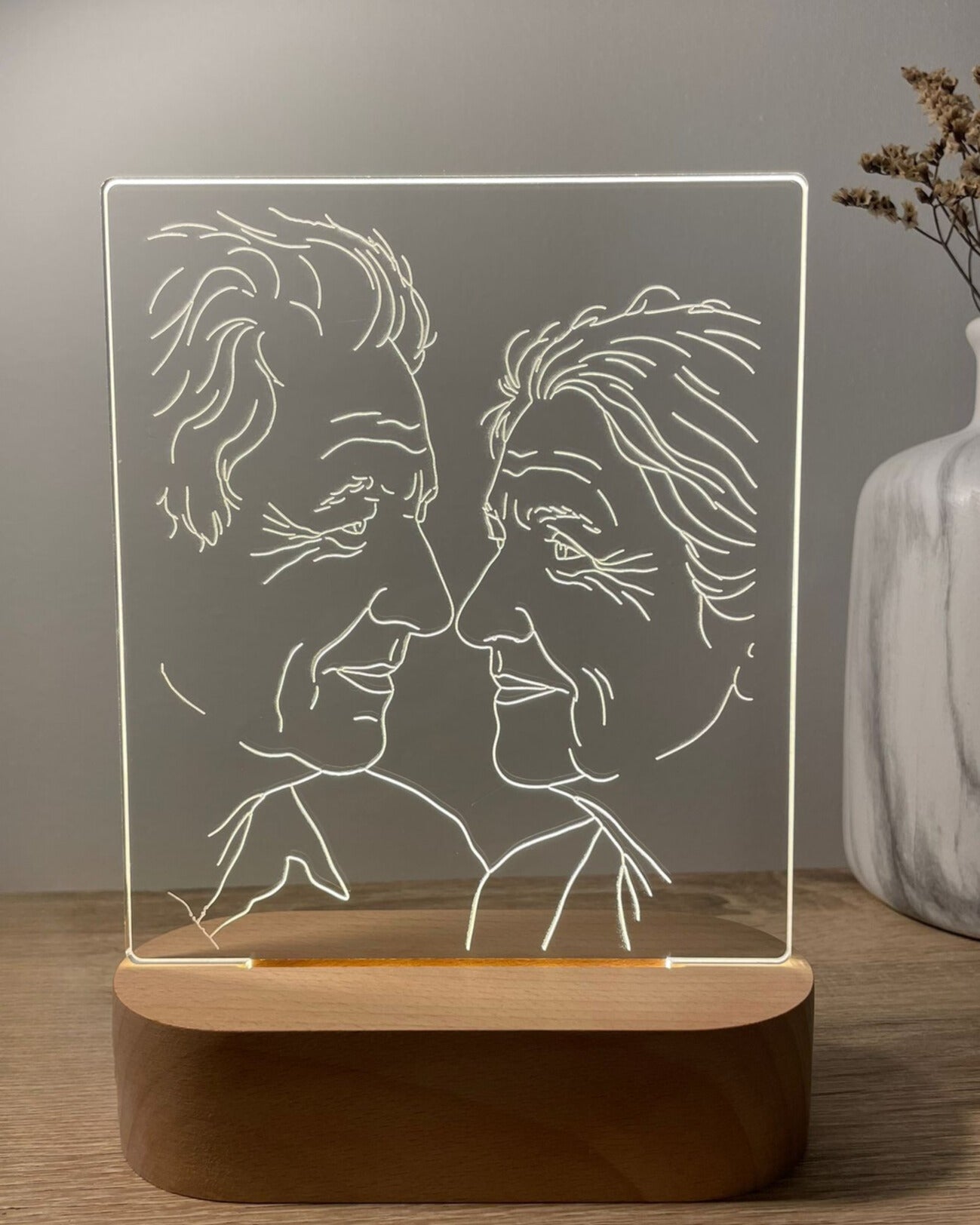
- The design style: You understand the recipient’s interest in personalised decor, but not whether they prefer natural wood, clear acrylic, an illuminated design or a smaller keepsake.
- The intended room: You do not know the available space, colour scheme or whether the recipient prefers a shelf, wall or practical object.
Giving control is particularly considerate when the personalisation will remain visible in the recipient’s home. The closer the product is to their identity or interior, the more useful their own choice becomes.
Knowing the Category Is Sometimes Enough
You do not need to know the exact product for a gift card to feel specific. It can still communicate that you paid attention.
You may know that:
- A new parent would value something connected to the baby.
- A couple would enjoy a piece based on a shared memory.
- A reader would appreciate a personalised object they can use.
- A family member would like a photograph turned into a display piece.
- A child would enjoy something made with their name.
That knowledge gives the gift direction. The recipient then chooses the exact item from the AtaNova personalised gift collection and supplies the details required for the design.
This is more focused than giving unrestricted money because the purpose is already defined: it is intended for a personalised piece made around the recipient’s own memory, name, photograph or milestone.
When a Gift Card Is Better for a Couple or Family
Some personalised products represent more than one person. A couple may want to agree on the photograph used for a portrait piece, the date and location used for a shared memory, or the style that suits their home. New parents may want to decide together whether they prefer a birth-details lamp, nursery name piece or keepsake box.
Choosing one product for them can work when their preferences are known. When they are not, a gift card allows the decision to become a small shared project rather than an unwanted surprise.
This is also useful when several people are contributing to one gift. The gift card can express the group’s intention while leaving the final personalisation with the people who will own the piece.
When a Digital Gift Card Solves a Timing Problem
A digital gift card is useful when the occasion is close, the recipient lives elsewhere or you cannot confidently complete a personalised order before the date.
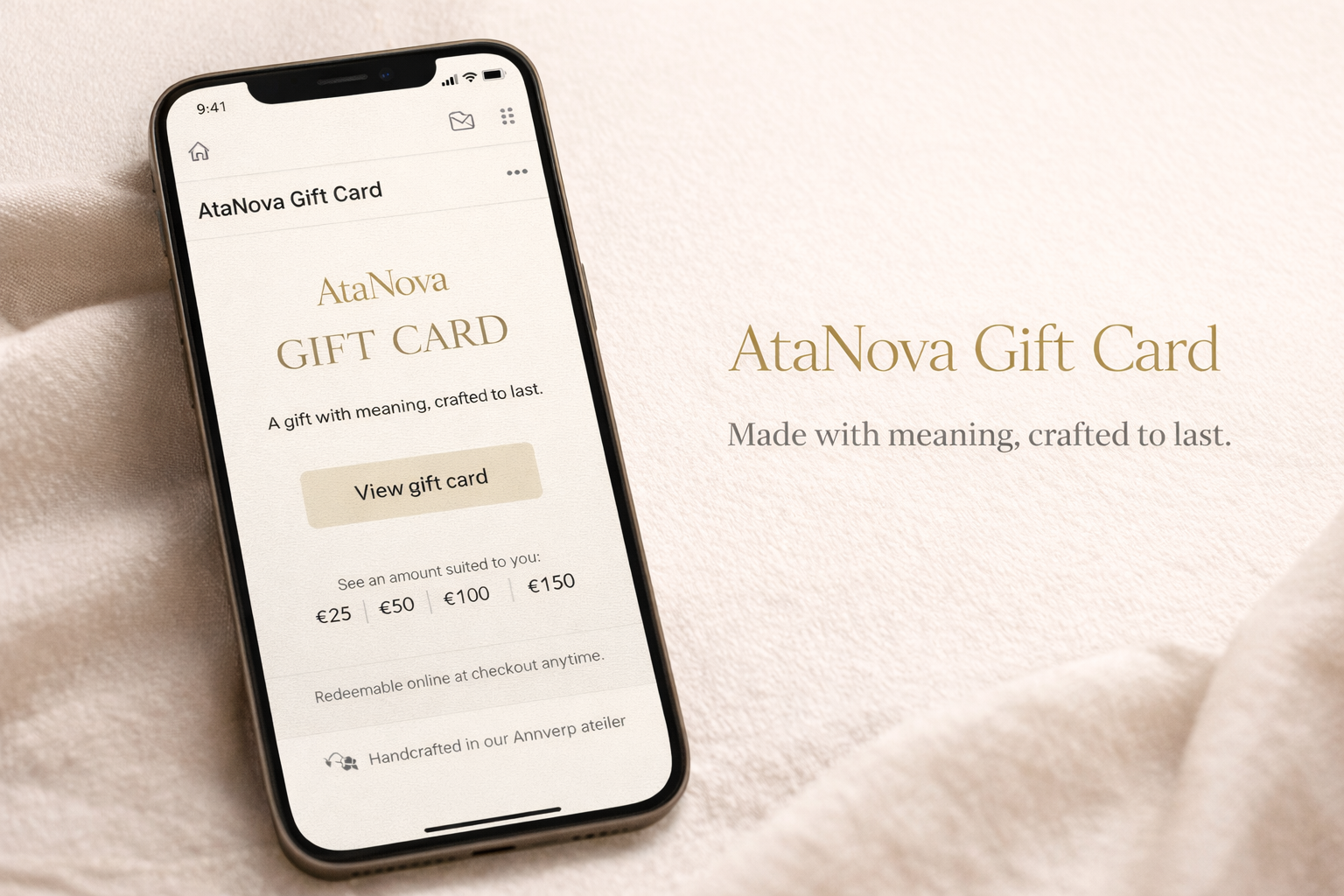
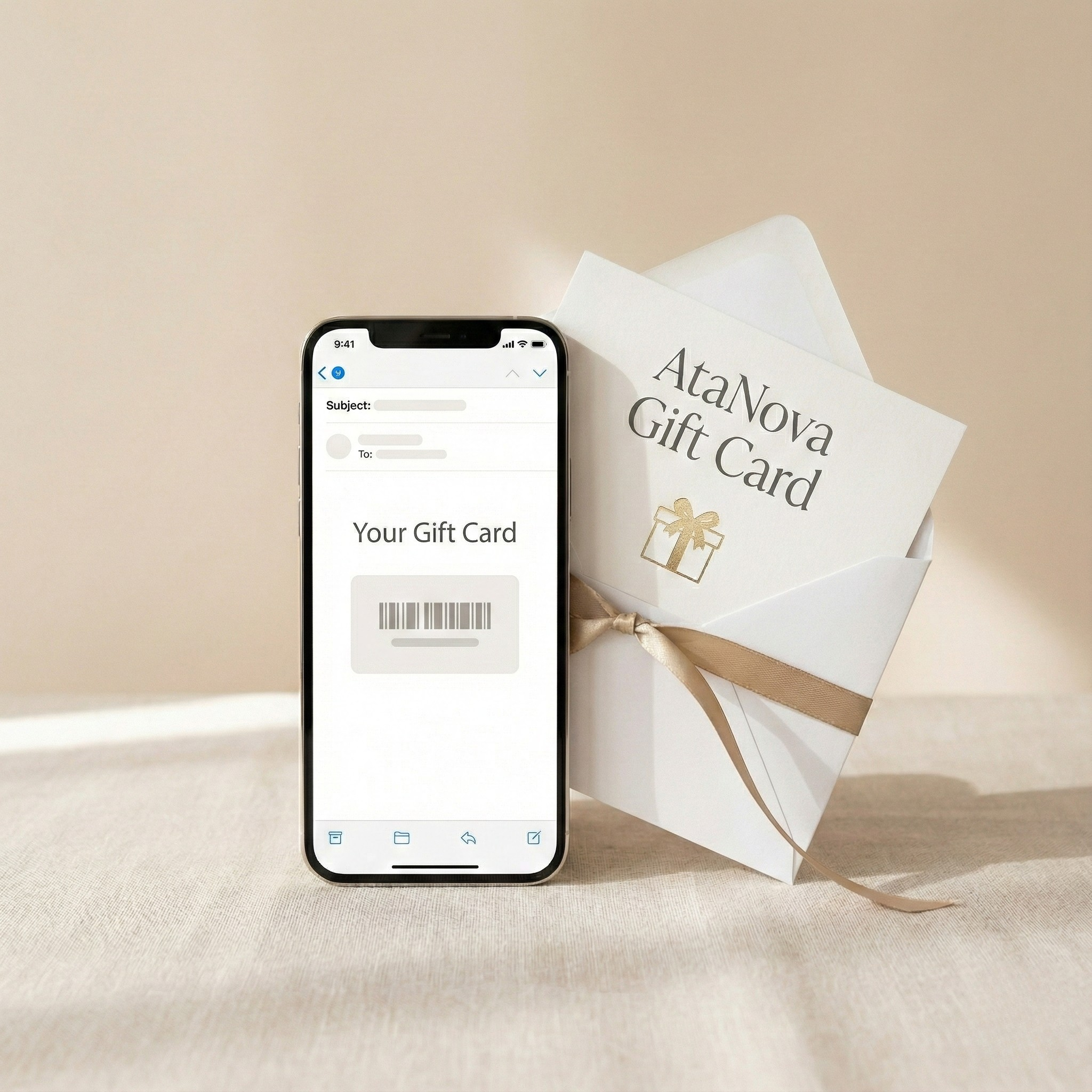
The AtaNova Gift Card is delivered by email and can be forwarded, printed or sent directly to the recipient. This removes the need to rush a made-to-order product with unverified details.
Timing alone should not be the only reason for choosing it. The gift still feels deliberate when you explain why you selected AtaNova and what kind of piece you imagined the recipient might create.
When a Gift Card Is Not the Better Choice
A gift card is not automatically safer in every situation. Choose the finished product yourself when your knowledge of the recipient is strong enough to make the decision meaningful.
A specific gift may be better when:
- The surprise depends on seeing a familiar photograph, date or message already turned into a finished object.
- The recipient has directly shown you the exact product they want.
- You know their preferred design and can verify every personal detail.
- The physical unwrapping moment is central to the occasion.
- The recipient would find online product selection or personalisation inconvenient.
- You want the gift to communicate your own interpretation of a shared memory.
The goal is not to avoid all risk. It is to decide whether your choice adds meaning or merely replaces the recipient’s preference with your own.
How to Make a Gift Card Feel Thoughtful
A gift card feels considered when the recipient understands why you chose it. The message around the card should show that the category was selected for them, not that the decision was postponed.
- Name the reason. Explain the memory, milestone or interest that led you to a personalised gift.
- Give direction without limiting them. Mention one or two types of pieces you thought they might enjoy, while making clear that the final choice is theirs.
- Add a personal message. Connect the gift to the birthday, new baby, anniversary, wedding, new home or other occasion.
- Choose an appropriate contribution. Select an amount that clearly supports the kind of product you have in mind.
- Present it deliberately. Send it on the occasion date, forward it with your own message or print it and place it inside a physical card.
A useful message can be as simple as: “I wanted you to have something made around your own favourite memory, so I’m leaving the photograph and design choice to you.”
A Five-Question Decision Test
Use these questions before choosing between a product and a gift card:
- Do I know the exact personal detail? If you are uncertain about the photograph, spelling, date, time, location or wording, the recipient may need to choose.
- Do I know the preferred format? A lamp, wall sign, keepsake box and bookmark belong in different spaces and routines.
- Would my choice add meaning? Choose the product when your selection expresses something the recipient will immediately recognise.
- Would the recipient enjoy choosing? Some people value the design process; others prefer receiving a complete surprise.
- Am I solving uncertainty or avoiding effort? A gift card is appropriate when it protects the recipient’s preferences, not when you could easily make a well-informed choice.
If you can answer the first three questions confidently, choose the product. If the meaning is clear but the personal details or format are uncertain, choose the gift card.
Gift Card Decisions by Recipient
For a Partner
Choose the product when you know the shared photograph, date or place they would recognise immediately. Choose a gift card when they are particular about interior style, photographs or how a private memory should be represented.
For New Parents
Choose the product when the birth details are confirmed and you know whether they want a lamp, room sign or keepsake box. Choose a gift card when the baby has not arrived, the details are not final or the parents should select what fits the nursery.
For a Child
Choose the product when the parents have shared the child’s name, room theme and preferred design. Choose a gift card when the family should decide between a name light, room decoration, educational wooden piece or another personalised item.
For a Couple
Choose the product when one shared memory clearly defines the gift. Choose a gift card when both people should agree on the image, date, wording or home display format.
For a Friend, Teacher or Colleague
Choose a specific practical item when you know their habits and the relationship supports that level of personalisation. Choose a gift card when you want to be thoughtful without choosing an overly intimate photograph, message or home-decor style.
For Someone Who Is Difficult to Buy For
A gift card is useful when the person has clear tastes, already owns many things or tends to choose carefully. It gives them access to a defined collection without forcing you to predict the one design they would select.
The Best Decision Preserves Both Meaning and Choice
A personalised product is strongest when the giver knows what should be made. A gift card is strongest when the giver knows why the gift matters but recognises that the recipient should decide what should be made.
Choose the finished product when your knowledge creates a better surprise. Choose the gift card when the recipient’s control creates a better result.
When the category is right but the exact product is uncertain, an AtaNova Gift Card is the more thoughtful decision.
Frequently Asked Questions
Is a gift card an impersonal gift?
Not when the store, category and message are chosen around the recipient. A gift card can be thoughtful when it gives them control over a decision that is genuinely personal, such as the photograph, wording, material or design of a made-to-order piece.
When is a gift card better than choosing a product?
It is better when you know the recipient would value the type of gift but cannot confidently choose the exact product, design, personalisation details or display format on their behalf.
Is a gift card suitable for personalised products?
Yes. It can be particularly suitable because the recipient may need to choose the photograph, name, date, location, message, material or product style used in the final design.
Should I choose a gift card if I know the category but not the design?
Yes. Knowing that the recipient would appreciate a baby keepsake, photo piece, personalised lamp or another defined category is enough to make the gift intentional while leaving the visual decision to them.
When should I choose the product myself instead?
Choose the product when you know the exact memory or personal detail, understand the recipient’s style and space, and can verify all information required for the design.
How can I make a digital gift card feel more thoughtful?
Add a message explaining why you selected a personalised gift, mention the memory or occasion behind it, and suggest the kind of piece you imagined without limiting the recipient’s choice.
What can an AtaNova Gift Card be used for?
It can be redeemed on any AtaNova product at checkout. The recipient can choose from the current collection and provide the personal details required for their selected piece.